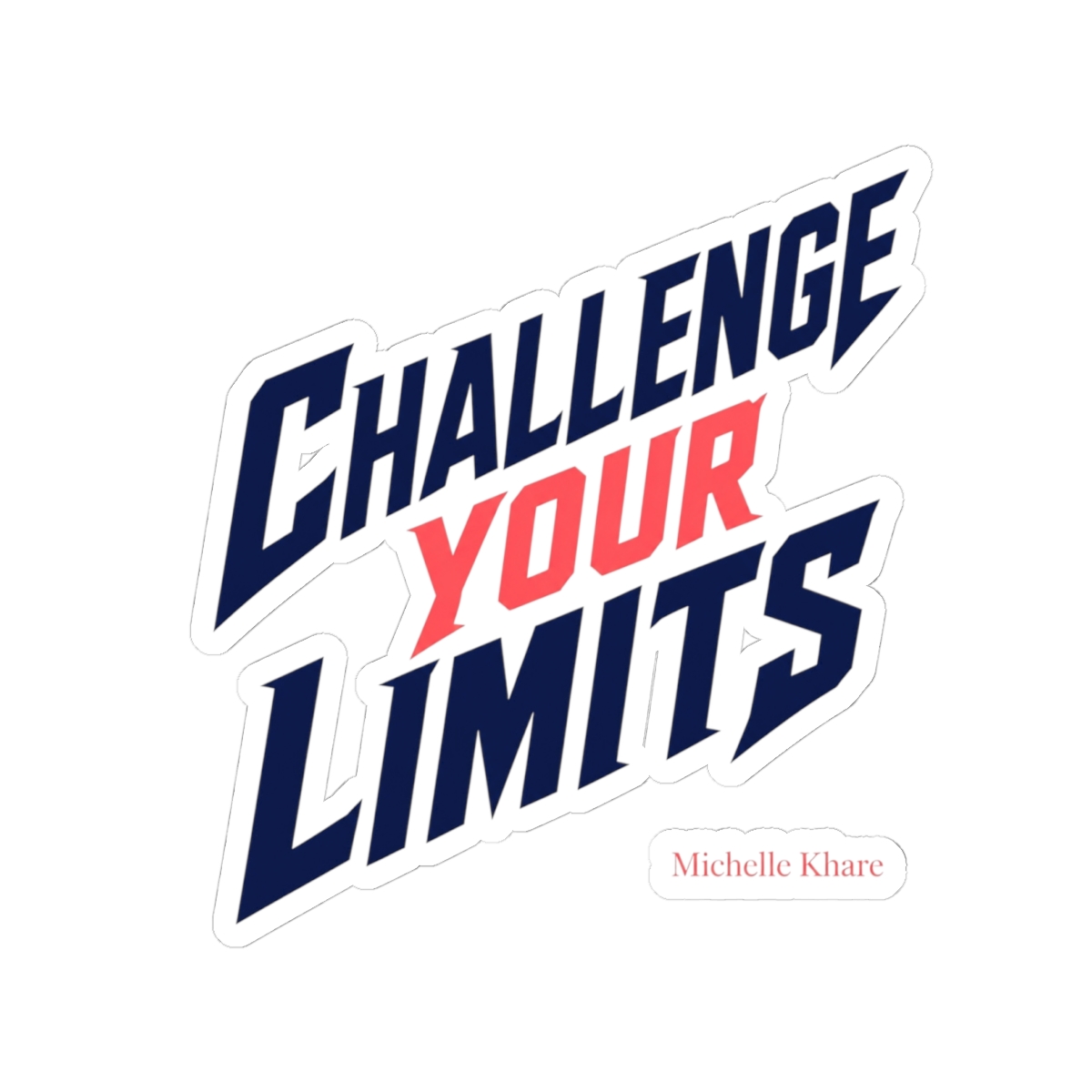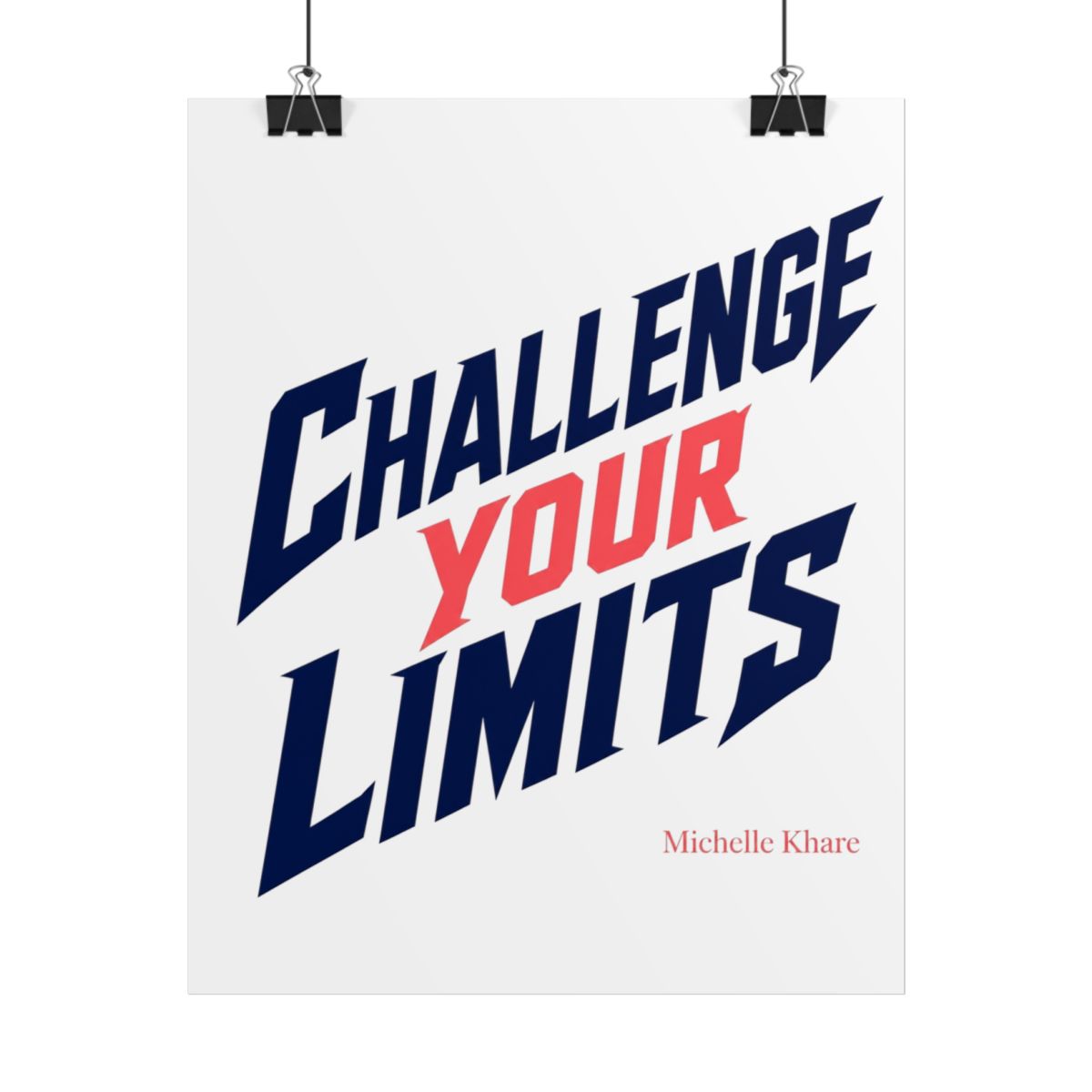
You just finished watching Michelle Khare take on a new extreme challenge - maybe the Air Force survival test or a pro cycling race. You're inspired, and you hop over to the merch store to grab a hoodie that captures that same energy. But have you ever wondered how those designs go from a spark of an idea to the durable gear on your doorstep?
I'm Mia Chen, a digital artist and print specialist who has worked on creator merch for years. Here's a look inside the Michelle Khare merch design process - how every piece is built to match the grit and precision of the challenges themselves.
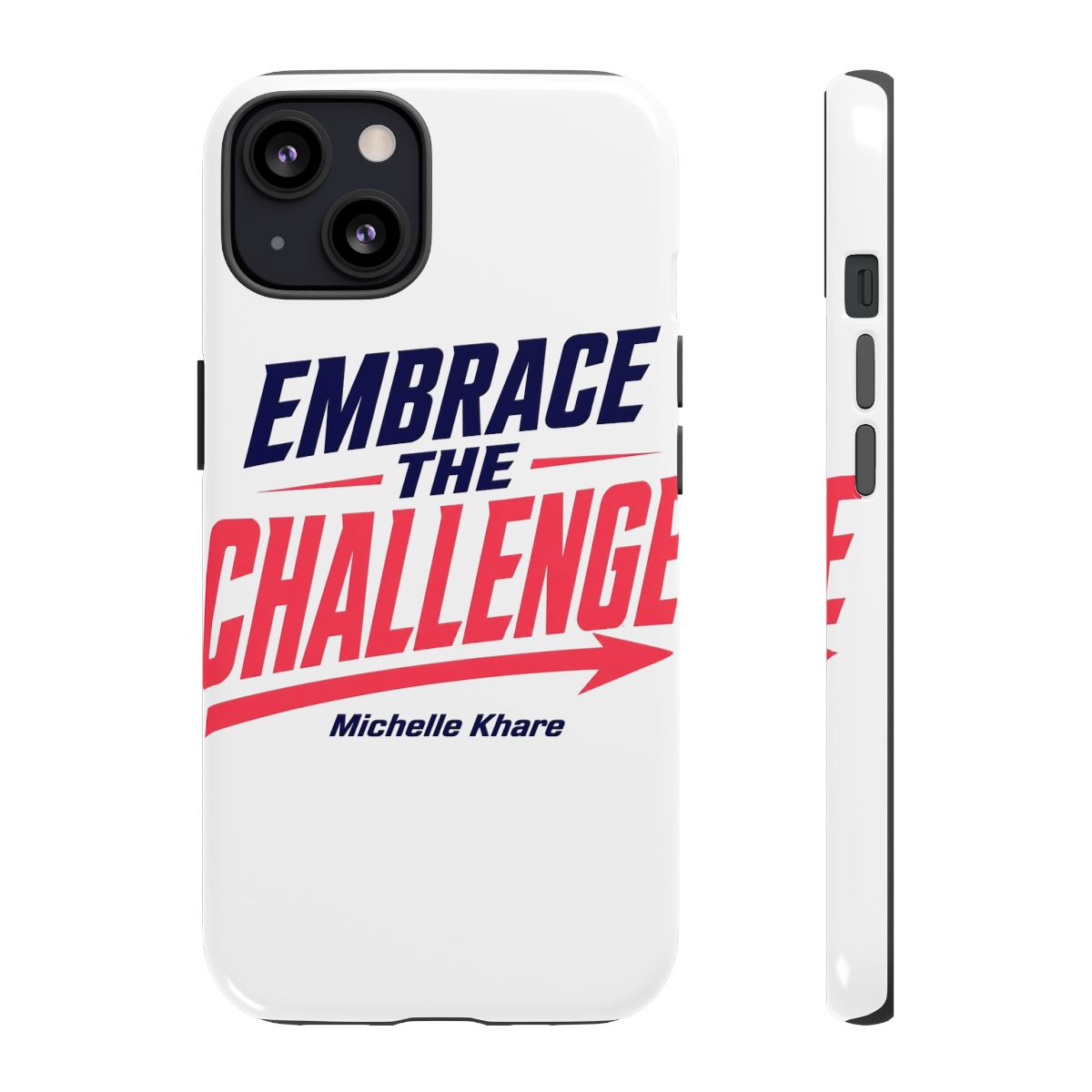
The Inspiration Behind Each Design
Every design starts with the challenge it represents. Michelle's team scans her video concepts, looking for key visuals - a silhouette from the "I Tried the Navy SEAL Workout" video, a quote from her "Becoming a Fighter Pilot" series, or the iconic "K" logo that fans instantly recognize.
From Challenge to Concept Art
The first step is mood boarding. The design team collects screenshots, color palettes from the video, and even the gear she used. For example, the "Firefighter Academy" drop used deep reds and yellows paired with fire-resistant fabric patterns. This isn't random - the colors reflect the heat, intensity, and teamwork of that experience.
Once the theme is set, I sketch 3-5 rough concepts. These are hand-drawn on a tablet or sometimes on paper, then scanned. We look for:
- Legibility at a distance - can you read the logo from across a room?
- Color contrast - will it pop on black, white, or heather gray?
- Placement versatility - front chest, sleeve, or back print?
From Sketch to Sample
After Michelle approves a concept, it moves to technical design. This is where I turn a pretty picture into a production-ready file.
Vectorization and Separation
I redraw the approved sketch in Adobe Illustrator, creating clean vector lines. For screen printing, each color gets its own layer - a process called color separation. A four-color design might have separate layers for cyan, magenta, yellow, and black, plus a white underbase so the print stays opaque on dark shirts.
A sample is printed on the actual garment blank. Michelle uses midweight ringspun cotton tees and poly-blend hoodies for durability. The sample goes to her for a "wear test" - she literally wears it during a workout or challenge prep. If the print cracks or feels stiff, we adjust the ink formula or the mesh count (the screen's thread density).
Testing for Durability and Comfort
Merch isn't just a poster you hang on a wall - it's gear you train in, travel in, and live in. That means it has to survive real abuse.
Wash and Wear Tests
Every new design goes through three wash cycles in hot water, then a tumble dry. We check for:
- Print peeling or cracking - any flaking and we rebalance the ink additives.
- Fabric shrinkage - poly-cotton blends shrink less than 100% cotton, so we pre-shrink blanks.
- Color fading - we use high-opacity plastisol inks that stay vibrant after 30+ washes.
Michelle herself tests the gear. In a recent Instagram story, she wore the "SWAT Challenge" hoodie during a grueling obstacle course and noted that the fabric wicks sweat well. That kind of feedback loop is rare in merch - most creators never see their products get abused. Here, every sample has to pass a real-world trial.
Fan Feedback and Iterations
Once a design is ready to launch, the community gets a sneak peek. Michelle posts polls on Instagram and YouTube community tabs asking fans to vote on colorways or placement options.
The Power of Limited Drops
Based on that feedback, we often tweak the final run. For example, the "Speed Challenge" cap started as a black model with white embroidery. Fans asked for a camouflage version. Within 48 hours, we created a mockup, sourced a camo blank, and offered a pre-order. That responsiveness turns a simple cap into a conversation piece.
We track which designs sell fastest and which get returned (returns are rare, under 2%). If a specific size runs out quickly, we rebalance the next production run. The data tells us what resonates - and it's almost always the designs that tie back to a specific, emotionally charged moment from the challenge.
Final Product and Your Gear
After all the sketching, sampling, testing, and fan input, the finished product lands in the store. Each item comes with a small tag explaining the inspiration - "Inspired by Day 3 of the Coast Guard Rescue Swimmer Challenge" or "Designed after the 100-mile bike segment."
Why This Process Matters
This isn't just a logo slapped on a shirt. Every seam, print, and thread represents weeks of collaboration, testing, and listening. When you wear a Michelle Khare hoodie, you're wearing something that went through the same rigor as the challenges themselves.
Ready to see the latest drop? Head to the merch store and find a design that matches your next challenge. - -
Key Takeaways
- Design starts with the visual essence of each challenge - colors, shapes, and emotions.
- Technical precision (color separation, vector art, mesh counts) ensures print quality.
- Real-world durability testing by Michelle herself guarantees the gear can handle workouts and washes.
- Fan polls directly influence colorways and product variations in limited drops.
- The final product carries the story of its inspiration, making it more than just apparel.
Frequently Asked Questions
How long does it take to design a new merch piece?
From concept to sample usually takes 2-4 weeks. The mood boarding and sketching phase takes about a week, followed by 1-2 weeks for technical artwork and sampling. Revisions based on Michelle's feedback can add a few more days.
What materials are used in Michelle Khare merch?
Most tees are 100% ringspun cotton for softness and breathability. Hoodies and outerwear are typically a 50/50 cotton-poly blend that resists shrinking and holds prints well. Hats are structured cotton twill with embroidered logos.
Can I suggest a design or quote for future merch?
Absolutely. Michelle often takes inspiration from fan comments on YouTube and Instagram. Leave your idea on her latest merch announcement post - the team reads them.
Why are some designs released as limited drops?
Limited drops allow us to focus on quality and create urgency without overproducing. It also means we can test new styles (like tie-dye or reflective prints) without committing to thousands of units.
Is the merch screen printed or embroidered?
Most graphic designs are screen printed with high-quality plastisol inks for vibrant, long-lasting colors. Logo hats and some hoodies feature direct embroidery for a premium, raised texture.